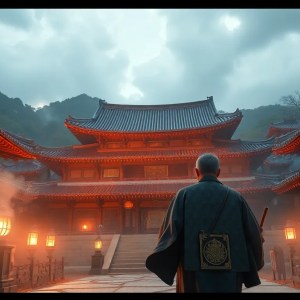
A Love Lost Beyond Time: Changgyeonggung’s Tragic Spirit Romance
I. Introduction to Changgyeonggung Palace
Changgyeonggung Palace, located in the heart of Seoul, holds a significant place in Korea’s historical and cultural narrative. Originally built in the 15th century during the Joseon Dynasty, it served as a royal residence and a site for various cultural events. The palace’s architectural beauty and serene gardens have made it a beloved landmark, drawing visitors who wish to experience its rich history.
In addition to its historical importance, Changgyeonggung is steeped in Korean mythology and folklore. The palace is not just a remnant of the past; it is a living canvas that tells stories of love, loss, and the supernatural. The theme of tragic romance is particularly prominent in Korean culture, reflecting the deep emotional currents that have shaped the lives of its people throughout history.
II. The Legend of the Two Star-Crossed Lovers
At the heart of Changgyeonggung’s folklore lies the poignant tale of two star-crossed lovers: a human and a spirit. Their love story transcends the boundaries of life and death, illustrating the power of love in the face of insurmountable odds.
The spirit, believed to be a beautiful maiden, fell in love with a noble young man from a prestigious family. Their love blossomed in the hidden corners of the palace, a place where they could escape the rigid expectations of their respective worlds. However, societal challenges loomed large over their romance, as class distinctions and family obligations forced them apart.
This tragic love story resonates deeply within the framework of Korean mythology, highlighting the enduring struggle between personal desire and societal norms.
III. The Role of Spirits in Korean Mythology
Spirits play a crucial role in Korean folklore, often embodying themes of love, loss, and the connection between the living and the spiritual realm. These entities are seen as messengers, carrying the emotions and stories of those who have passed on.
- Common Themes: Many Korean tales feature spirits who seek to communicate with the living, often to resolve unfinished business or to convey messages of love.
- Connection to Changgyeonggung: The palace serves as a bridge between the two worlds, where the lovers’ souls are believed to linger, yearning for one another.
- Spirits as Symbols: In this context, spirits symbolize the enduring nature of love and the pain of separation.
IV. The Tragic Events Leading to Their Separation
The lovers’ fate took a tragic turn due to a series of unfortunate events. The young man was pressured by his family to marry someone of higher status, while the spirit was bound to the palace, unable to cross over to the realm of the living.
These events are steeped in the cultural beliefs surrounding fate and destiny, common themes in Korean storytelling. The idea that one’s life is preordained often permeates the narratives, compelling characters to confront their unavoidable fate.
Societal norms played a significant role in their separation, as the expectations of family and tradition took precedence over their love. This reflection on cultural values adds depth to their story, illustrating the struggles faced by individuals in a rigid societal framework.
V. The Haunting of Changgyeonggung
Today, visitors to Changgyeonggung often recount eerie experiences and sightings of the spirit of the maiden. Her presence is said to linger in the palace grounds, particularly in the moonlit gardens where the lovers once met.
- Accounts of Sightings: Many have reported feeling a sudden chill or seeing a figure in white wandering through the palace.
- Personal Experiences: Guests and historians alike share stories of hearing whispers or catching glimpses of the spirit, adding a layer of mystique to the palace’s ambiance.
- Atmospheric Influence: The serene yet haunting atmosphere of Changgyeonggung enhances the legend, making it a place where the past feels palpably alive.
VI. Symbolism and Themes in the Tragic Romance
The tragic romance of the lovers at Changgyeonggung encapsulates profound themes of love, loss, and longing. In Korean mythology, these themes resonate deeply, reflecting the human condition and the universal experience of yearning for what is lost.
The palace itself serves as a powerful symbol of the lovers’ story. It represents a space of both beauty and sorrow, where love bloomed and ultimately faded into tragedy. The gardens, with their blooming flowers and shimmering waters, symbolize the fleeting nature of life and love.
VII. Modern Interpretations and Cultural Impact
The tale of Changgyeonggung continues to influence contemporary Korean art and literature. Modern adaptations of the story can be found in various forms, from novels to films and television dramas. These portrayals often reimagine the lovers’ tragic fate, exploring themes of forbidden love and the struggle against societal constraints.
- Popular Culture: The story has inspired numerous dramas and films, captivating audiences with its timeless themes.
- Artistic Expressions: Artists and writers draw upon the emotional depth of the legend, crafting works that resonate with the experiences of love and loss in today’s society.
- Relevance Today: The spirit romance speaks to modern audiences, reminding them of the enduring nature of love and the challenges that accompany it.
VIII. Conclusion: The Enduring Legacy of Changgyeonggung’s Tragic Romance
The tragic romance of the lovers at Changgyeonggung Palace remains a poignant reminder of the timeless nature of love and loss. Their story, woven into the fabric of Korean mythology, serves as a testament to the enduring power of love, even in the face of adversity.
Preserving and sharing such legends is vital for cultural heritage, allowing future generations to connect with the past. As you explore Changgyeonggung, take a moment to reflect on the stories that echo through its halls, inviting you to experience the profound emotions of love, longing, and loss that have shaped the human experience.